
- Software Solutions
- Services
-
ErgoWorks
Stay at work
-
- Process
- FAQ
- Meet Bridges
- Blog
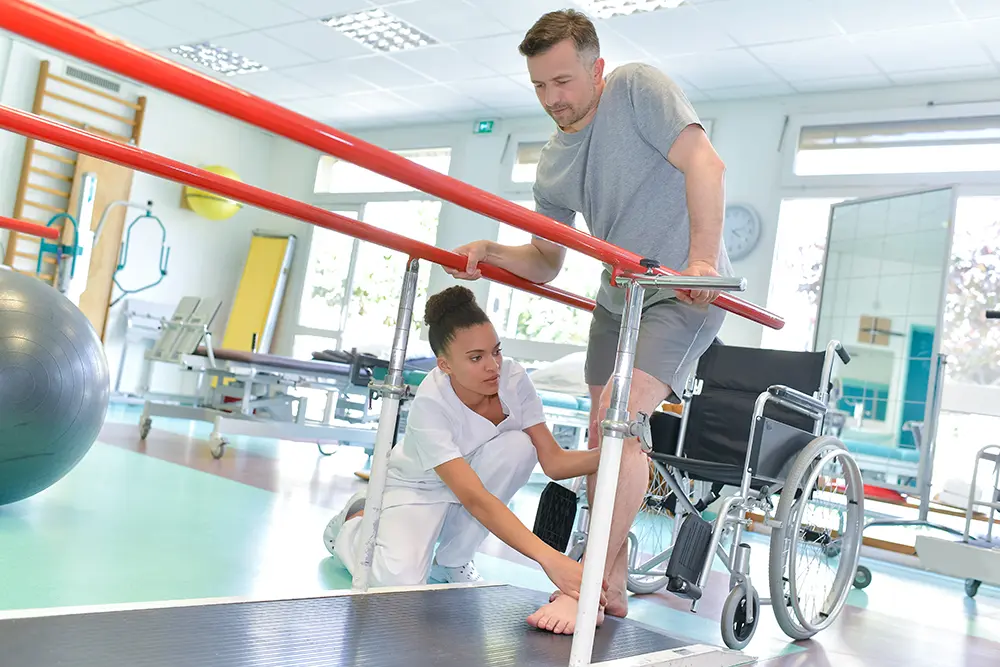
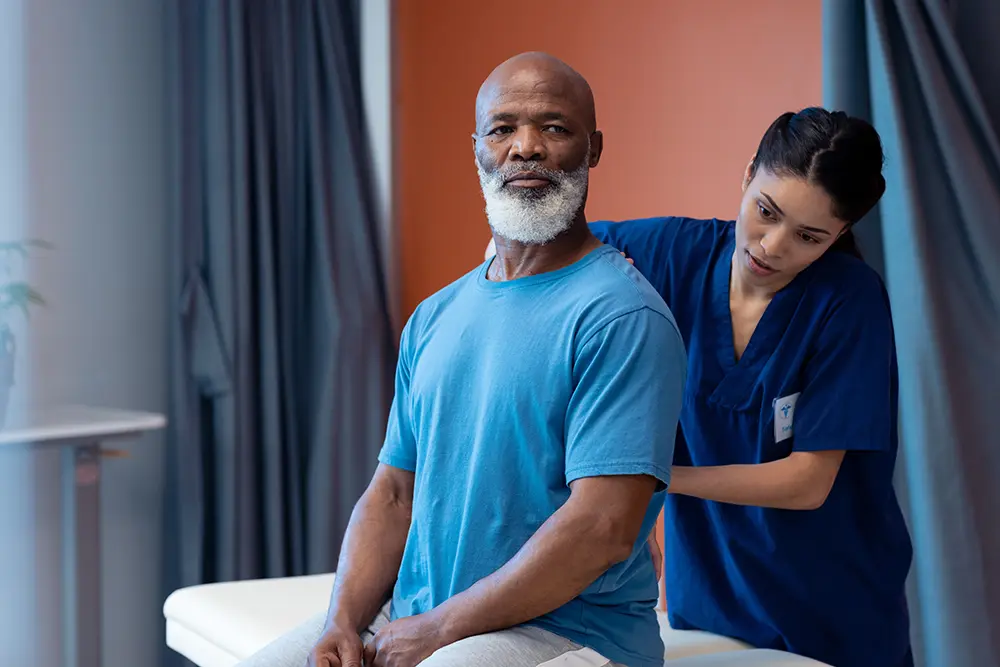
At Bridges Health, our goal is to fit the job to the worker, rather than to fit the worker to the job. We understand that every person is unique and so are their needs. Bringing an Occupational Therapist on-site to complete a series of Occupational Therapy Assessments can determine measures for ergonomic hazards, specify the physical and cognitive aspects of job duties, ensure the safety and suitability of each task an employee performs, and bring a focus on workplace solutions or accommodating the employee in the workplace. Each Occupational Therapy Assessment provides valuable insight into how job demands align with individual capabilities, supporting safe and sustainable work practices.
Utilizing an extensive network of providers and community relationships, we can meet our customer needs, provide comprehensive solutions for assistive equipment, injury prevention, and recovery. Investing in Occupational Therapy Assessments and ongoing occupational therapy programs can go a long way toward employee engagement and saving on absence and disability claim risk in the future.
Bridges Health offers compassionate, evidence-informed services that make a real difference. We’re here to help people overcome challenges, return to work with confidence, and build a healthier future.

This involves a thorough review of the employer’s environment, an employee’s medical history, current health status, and any ongoing treatments. It helps identify health issues that may affect work performance or safety, which may not be fully addressed during the assessment.
The assessment evaluates the specific demands of the employee’s job, including physical, cognitive, and emotional requirements. This helps determine how the job might impact the employee’s health and vice versa.
Identifying potential workplace hazards that could affect the employee’s health, such as exposure to chemicals, noise, or repetitive strain. This step is crucial for preventing work-related illnesses and injuries.
This assesses the employee’s ability to perform specific job tasks. It may include tests of strength, flexibility, endurance, and other physical capabilities.
Based on the findings, the occupational health professional may suggest modifications to the workplace or job duties to accommodate the employee’s health needs. This could include ergonomic adjustments, changes in work hours, or additional support.
Regular follow-ups are essential to track the employee’s health and ensure that any recommended adjustments are effective. This ongoing process helps maintain healthy and safety in the workplace.
Lorem ipsum dolor sit amet, consectetur adipiscing elit. Etiam mauris enim, euismod et scelerisque placerat, lacinia a ante. Pellentesque rutrum metus vel metus vestibulum, ac sollicitudin lacus imperdiet. In eu lectus dapibus, aliquam ex id, viverra lorem. Duis lobortis, nunc at hendrerit molestie, neque neque aliquam metus, ut lacinia justo est id ante.
Lorem ipsum dolor sit amet, consectetur adipiscing elit. Etiam mauris enim, euismod et scelerisque placerat, lacinia a ante. Pellentesque rutrum metus vel metus vestibulum, ac sollicitudin lacus imperdiet. In eu lectus dapibus, aliquam ex id, viverra lorem. Duis lobortis, nunc at hendrerit molestie, neque neque aliquam metus, ut lacinia justo est id ante.
Lorem ipsum dolor sit amet, consectetur adipiscing elit. Etiam mauris enim, euismod et scelerisque placerat, lacinia a ante. Pellentesque rutrum metus vel metus vestibulum, ac sollicitudin lacus imperdiet. In eu lectus dapibus, aliquam ex id, viverra lorem. Duis lobortis, nunc at hendrerit molestie, neque neque aliquam metus, ut lacinia justo est id ante.
Lorem ipsum dolor sit amet, consectetur adipiscing elit. Etiam mauris enim, euismod et scelerisque placerat, lacinia a ante. Pellentesque rutrum metus vel metus vestibulum, ac sollicitudin lacus imperdiet. In eu lectus dapibus, aliquam ex id, viverra lorem. Duis lobortis, nunc at hendrerit molestie, neque neque aliquam metus, ut lacinia justo est id ante.
Lorem ipsum dolor sit amet, consectetur adipiscing elit. Etiam mauris enim, euismod et scelerisque placerat, lacinia a ante. Pellentesque rutrum metus vel metus vestibulum, ac sollicitudin lacus imperdiet. In eu lectus dapibus, aliquam ex id, viverra lorem. Duis lobortis, nunc at hendrerit molestie, neque neque aliquam metus, ut lacinia justo est id ante.
Lorem ipsum dolor sit amet, consectetur adipiscing elit. Etiam mauris enim, euismod et scelerisque placerat, lacinia a ante. Pellentesque rutrum metus vel metus vestibulum, ac sollicitudin lacus imperdiet. In eu lectus dapibus, aliquam ex id, viverra lorem. Duis lobortis, nunc at hendrerit molestie, neque neque aliquam metus, ut lacinia justo est id ante.
Occupational health assessments offer numerous benefits, including identifying potential health risks, ensuring employees are fit for their roles, and promoting overall well-being. By addressing health issues early, it helps prevent overuse and other work-related injuries and illnesses. Additionally, occupational therapy programs support a healthier, more productive workforce, reduce absenteeism, and enhance job satisfaction. Investing in it is a proactive step towards creating a safer and more supportive work environment.
As an employer, the more effort put into preventing worker injuries, the lower the costs associated with absenteeism and presenteeism.
Employee engagement: Investing in employees may prove significant returns in employee engagement and productivity.
Improved work functions: Better assessment of the workplace and the worker functions, may lead to greater efficiency and productivity.

At Bridges Health, we believe everyone deserves the chance to live and work to their fullest potential. Our Occupational Therapists play a key role in helping employees successfully return to work. While they don’t provide direct patient care or clinical assessments, they do something just as important, monitoring Return-to-Work (RTW) plans in real workplace settings to make sure they’re effective and sustainable.
Whether someone is coming back after an injury, managing a health condition, or facing challenges at work, our job monitoring assessments are designed to support long-term success and well-being.
Getting to Know You
We start with a personalized intake to understand the employee’s situation. Whether the referral comes from an employer, insurer, or healthcare provider, we take the time to listen and learn about the person’s goals, challenges, and work environment. This helps us tailor our support to what matters most.

Observing the Job in Action
Our Occupational Therapists visit the workplace to observe how the employee is managing their job tasks. They look for any barriers that might be getting in the way and assess how well current accommodations are working. The goal is to understand the real demands of the job and how the employee is coping.
Understanding the Workplace
We work directly in the employee’s actual work setting to identify anything that could be improved. This might include physical setup, workflow, or communication practices. Our recommendations are practical and designed to fit the real world, not just theory.
Clear and Useful Feedback
After the assessment, we provide a straightforward report that outlines what we’ve seen and what we suggest. This might include changes to job duties, ergonomic adjustments, or tools that could help the employee succeed.
Working Together
We don’t just hand over a report and walk away. Our team works closely with employers, case managers, and other stakeholders to put the recommendations into action. We make sure the solutions are realistic and helpful for everyone involved.
Staying Connected
Returning to work is a process, not a one-time event. We offer follow-up support to check in, make adjustments, and help the employee continue to thrive. Our Occupational Therapists stay involved to make sure the plan keeps working over time.
Reach out to Bridges Health to schedule a Job Monitoring Assessment and find out how we can support your team.
Simplify Your Workplace Solutions with Bridges Health

Lorem ipsum dolor sit amet, consectetur adipiscing elit. Etiam mauris enim, euismod et scelerisque placerat, lacinia a ante. Pellentesque rutrum metus vel metus vestibulum, ac sollicitudin lacus imperdiet. In eu lectus dapibus.